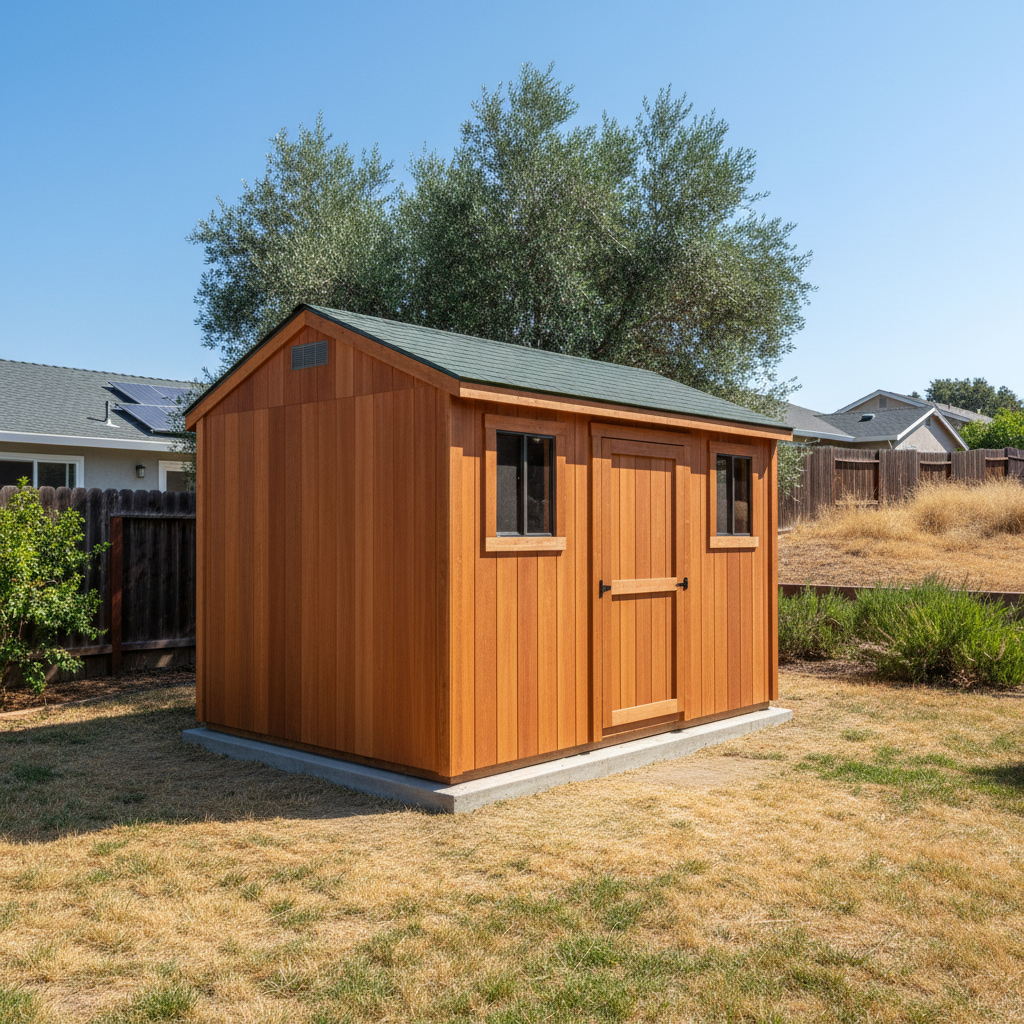
Alright, let's talk sheds in San Jose. You've probably got a great idea brewing for a storage solution, a workshop, or maybe even a little backyard getaway. But living here in the Bay Area, we all know our weather isn't quite like everywhere else. That Mediterranean climate we often boast about means we get distinct wet and dry seasons, and that really changes everything – from when you should build to how you keep your shed protected over the long haul.
Timing Your Shed Project: When to Build
So, when's the best time to get that shed up and running? For us, it truly comes down to sidestepping those heavy rains. San Jose typically sees its wet season from about November through March, with February usually being the wettest month. We're talking about a lot of rain during this period, sometimes as much as 3.9 inches in February alone. Trying to pour a foundation or work with lumber when it's constantly pouring? That's just asking for trouble, believe me.
I always tell folks the real sweet spot for shed construction is during our dry season, which generally stretches from April to October. More specifically, late spring (April-May) and early fall (September-October) are absolutely fantastic. In spring, the ground is firming up after the winter rains, but the temperatures are still pretty moderate. That's perfect for foundation work and letting your materials settle just right. By June, July, and August, it's usually bone dry, with hardly any rain at all. Those summer months are ideal for building, though you might want to get an early start on the day to beat the afternoon heat.
Building in the fall, before the winter rains really kick in, also works out well. You'll enjoy cooler temperatures and typically dry conditions. Just make sure you're all wrapped up before November rolls around, because that's when the wet weather starts to make its comeback.
Weather Conditions to Watch Out For
It's not just the rain, although that's a big one. Here’s what else we keep an eye on around here:
- Rainfall and Moisture: This is the obvious culprit. Working with wood in wet conditions can lead to warping, swelling, and other headaches if you don't keep it protected. Plus, digging foundations in saturated clay soil – which is common in parts of San Jose, like Almaden Valley – can turn into a real mess and mess with stability. If your shed is over 120 square feet, you’ll probably need a permit, and the city won't be thrilled if your foundation work gets compromised by bad weather.
- Temperature Swings: Our temperatures are generally mild, but we do get some heat. Summer highs can hit the low 80s, and sometimes even higher. Extreme heat can affect how concrete cures and how some sealants and paints perform. Always follow the manufacturer's guidelines for temperature ranges when you're putting on finishes.
- Humidity: San Jose's average humidity hovers around 75% year-round, but it feels different depending on the season. In winter, that humidity paired with cooler temperatures can feel heavier and contribute to moisture problems if your shed isn't properly ventilated.
- Wind: We don't get hurricanes, thank goodness, but strong winds can definitely pop up. This happens especially during storms or those offshore flow events. Make sure your shed is securely anchored to its foundation, particularly if it's a taller structure.
Year-Round Protection for Your Shed Investment
Once your shed is all built, you naturally want it to last. Here's how to protect it through all our San Jose seasons:
Keep Water Away from the Foundation
This is probably the single most important thing you can do. Water pooling around the base of your shed is a surefire way to get wood rot and foundation damage. Make sure the ground around your shed slopes away from it; that helps with drainage. If your shed has gutters, keep them clean so water can flow freely. For wooden sheds, ensure there's at least six inches of clearance between the bottom of the siding and the ground.
Seal and Waterproof Regularly
Our dry summers can really bake finishes, and our wet winters will put any weak spots to the test. Check for gaps around doors, windows, and seams every year. Use a good quality silicone caulk to seal them up tight. For wooden sheds, a weatherproof sealant or paint applied every year or two will protect against moisture and UV damage. Even metal sheds benefit from rust-resistant coatings, you know?
Ensure Good Ventilation
This is huge for stopping mold, mildew, and condensation, especially during our wetter, more humid months. Good airflow helps keep the inside dry and protects anything you're storing. Make sure your vents aren't blocked, and if your shed feels airtight, think about adding some more.
Pest Control
Critters just love a cozy, dry spot, especially when it gets cooler and wetter outside. Seal up any small cracks or openings that could let mice or insects sneak in. Keep the area around your shed clear of debris, like leaf piles, where pests can hide out.
Regular Inspections and Cleaning
Just like your house, your shed needs a little love and attention. I recommend checking it at least twice a year, maybe in spring and fall. Look for loose shingles, peeling paint, or any signs of wear and tear. Clear out leaves and debris from the roof and around the base. A clean shed is a happy shed, and it'll help you spot small problems before they balloon into big, expensive ones.
Taking these seasonal steps seriously means your shed – whether it's a custom build from Custom Sheds of San Jose or something you put together yourself – will stand strong for years to come. It’s all about being proactive and really understanding what our local climate demands.